
Clear Steps With Practical Advice for Protecting Your Walls
Choosing a drywall repair provider affects how your home looks and lasts. Small cracks can spread fast. Poor repairs often show through paint. Many homeowners struggle to know who to trust. Prices vary, timelines differ, and quality can be hard to judge early. Understanding what to look for gives you control. The right choice saves time, prevents repeat damage, and protects your property value. This guide explains key signs of quality work. It also shows how to avoid common mistakes.
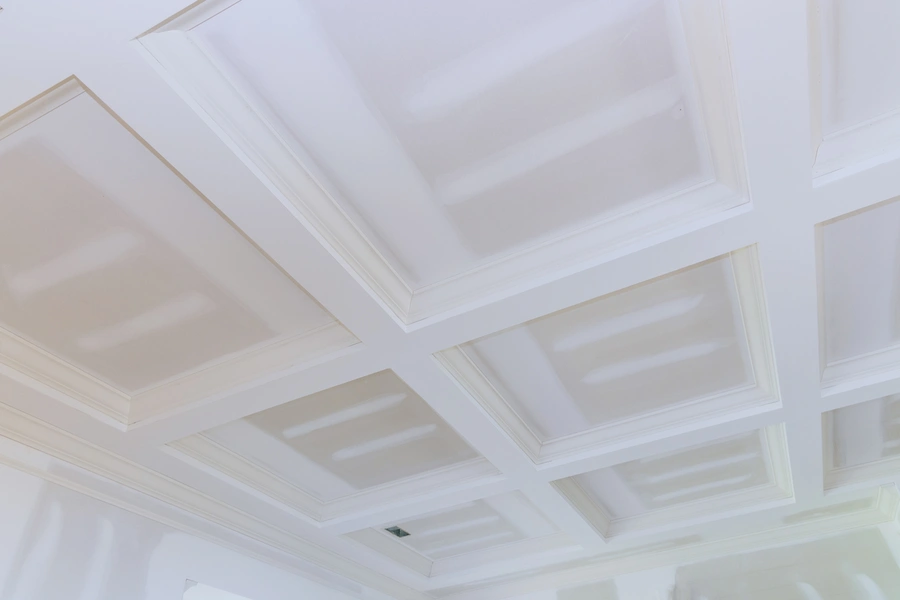
Why Proper Wall Repair Matters With Long Term Results
Walls protect wiring, framing, and insulation. Bad fixes leave weak spots behind. Quality drywall services help keep moisture out and surfaces smooth. Strong repairs stop cracks from returning. They also help paint last longer. Good work blends patches into existing walls. You should not see bubbles or lines later. A skilled provider focuses on structure first. Appearance always comes after solid repair methods.
Common Problems Homeowners Face With Wall Damage
Many homes face dents, nail pops, and stress cracks. Poor drywall services often skip key prep steps. This leads to shrinking patches and uneven seams. Some crews rush sanding or drying time. Others use low grade materials. These shortcuts cost more later. Repairs fail and need to be redone. Knowing these risks helps you ask better questions before hiring.
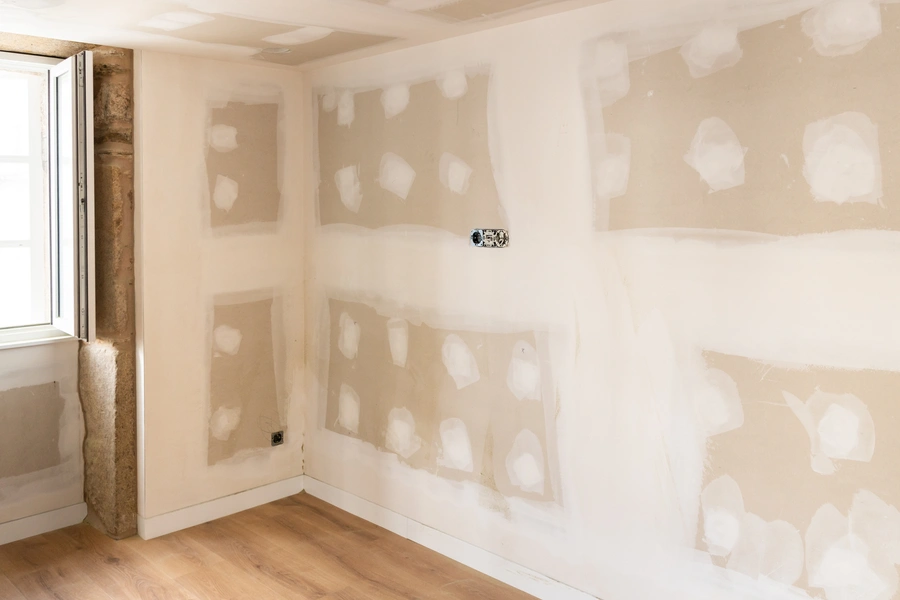
Key Benefits of Hiring A Skilled Repair Team With Experience
Professional repair offers clear advantages over quick fixes. Skilled crews understand wall structure and movement. They match texture and thickness with care. Clean work areas and clear timelines matter too. The benefits often include:
- Smooth surfaces ready for paint
- Strong patches that resist cracking
- Faster project completion
- Better matching of existing textures
Step by Step Process Used by Reliable Providers With Care
A clear process shows professionalism and planning. Trusted providers follow proven steps from start to finish. This reduces errors and surprises. A typical repair process includes:
- Inspecting damage to find the root cause
- Removing loose or broken material
- Securing backing and applying patch material
- Sanding smooth after proper drying time
- Blending texture to match surrounding walls
Best Practices to Look for With Quality Work Standards
Certain habits separate strong providers from poor ones. These signs reflect training and pride in work. Look for teams that follow these best practices:
- Use proper drying time between steps
- Protect floors and nearby surfaces
- Explain the repair plan clearly
- Inspect work before cleanup
Industry Standards and Local Requirements With Safety Focus
Drywall repair must meet basic building standards. Repairs should follow fire rating rules where required. Moisture resistant boards matter in kitchens and baths. Fasteners and joint compounds must meet code. A reliable provider understands local rules. Permits may be needed for larger wall work. Asking about compliance shows professionalism and care.
Understanding Cost Factors With Value in Mind
Prices vary based on damage size and location. Ceiling work often costs more due to access needs. Texture matching adds time and labor. Low bids may skip important steps. Fair pricing reflects material quality and skilled labor. Ask for clear estimates in writing. This helps avoid surprise charges later.
Making the Right Choice With Confident Next Steps
Choosing wisely starts with asking clear questions. Look at past work and reviews. Confirm timelines and cleanup plans. Located in Spokane, WA, we help property owners protect their walls. Handyman Connection of Spokane focuses on clear communication and lasting results. Call (509) 219-9348 to discuss your repair needs and plan next steps together.